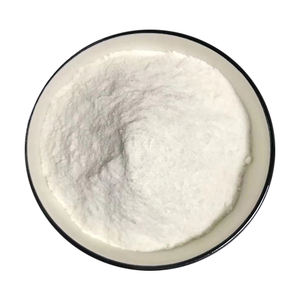
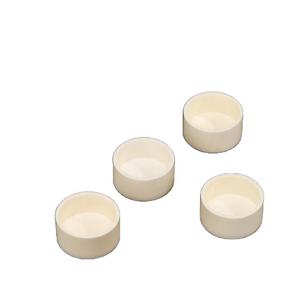
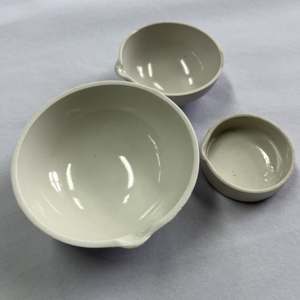
Boron nitride ceramic is gaining attention for its role in high temperature metal bellows seals. These seals are used in tough industrial settings where heat and pressure are constant challenges. Boron nitride stands out because it stays stable even when temperatures rise above 1000°C. It also resists chemical reactions and does not conduct electricity, which adds safety in sensitive operations.
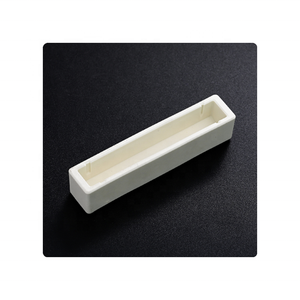
(What Are the Boron Nitride Ceramic Applications in High Temperature Metal Bellows Seals)
Metal bellows seals often fail under extreme heat due to material breakdown or deformation. Engineers now turn to boron nitride ceramic as a solution. Its low thermal expansion means it keeps its shape when heated. This helps the seal stay tight and reliable over long periods. The ceramic also reduces friction between moving parts, which lowers wear and extends equipment life.
Industries like aerospace, power generation, and chemical processing benefit most from this upgrade. In jet engines and turbines, for example, consistent sealing at high heat is critical. Boron nitride ceramic helps prevent leaks of hot gases or fluids that could cause system failure. In chemical plants, it withstands corrosive substances that would damage standard materials.
Manufacturers are starting to include boron nitride in their seal designs more often. They find it easier to work with than other high-performance ceramics. It can be shaped precisely and bonded well to metal components. This makes assembly simpler and cuts down on maintenance needs.
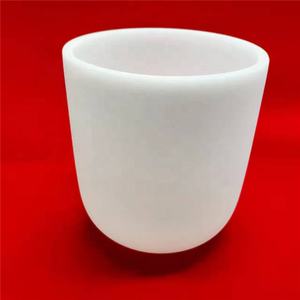
(What Are the Boron Nitride Ceramic Applications in High Temperature Metal Bellows Seals)
The use of boron nitride ceramic in metal bellows seals shows how advanced materials solve real-world engineering problems. Its mix of heat resistance, stability, and durability meets demands that older materials cannot. As industries push equipment to higher limits, this ceramic offers a dependable path forward.