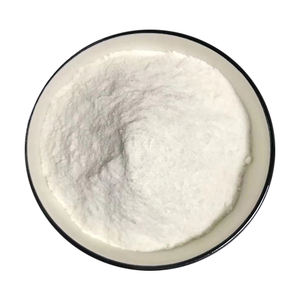
Boron nitride ceramic is now the top choice for gas showerheads in batch chemical vapor deposition (CVD) reactors. This material handles high temperatures without breaking down. It stays stable even when exposed to aggressive gases used in semiconductor manufacturing.
(Why Boron Nitride Ceramic Is Used for Gas Showerheads in Batch CVD Reactors)
Gas showerheads spread process gases evenly across wafers during CVD. Any uneven flow can ruin film quality. Boron nitride’s smooth surface and consistent pore structure help deliver uniform gas distribution. This leads to better coating results and fewer defects.
The ceramic also resists chemical attack. Many reactor environments use corrosive substances like chlorine or fluorine compounds. Metals or other ceramics might corrode over time. Boron nitride holds up well, which means longer part life and less downtime for maintenance.
Another key benefit is purity. Boron nitride does not shed particles or release contaminants during operation. Contamination can spoil entire wafer batches. Using this material helps keep the process clean and reliable.
Thermal shock resistance matters too. Reactors heat up and cool down quickly during cycles. Some materials crack under these changes. Boron nitride adjusts without damage, maintaining performance through repeated use.
Manufacturers value these traits because they boost yield and reduce costs. Reliable showerheads mean fewer interruptions and consistent output. As chip designs get smaller and more complex, process control becomes even more critical. Boron nitride meets these demands where other materials fall short.

(Why Boron Nitride Ceramic Is Used for Gas Showerheads in Batch CVD Reactors)
Its combination of thermal stability, chemical inertness, purity, and mechanical reliability makes it ideal for this role. Companies building advanced semiconductors depend on it to maintain precision in every production run.